Source refractory gunning machine for hardware, wood, and plastic
Compare 28 refractory gunning machine listings from verified Chinese suppliers. Buyers can evaluate specifications like capacity, weight, and pressure control to find suitable semi-automatic or automatic models for industrial spraying applications.
Key considerations
Products List


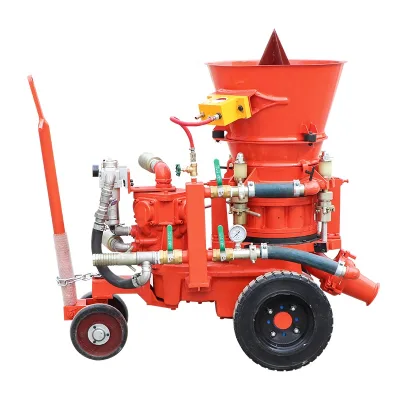
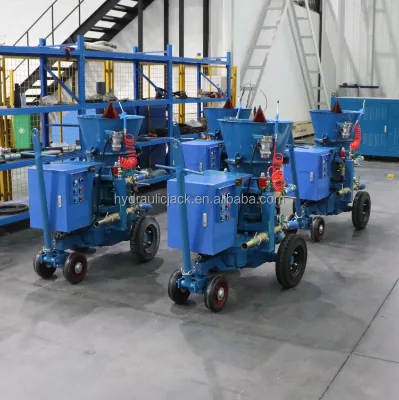
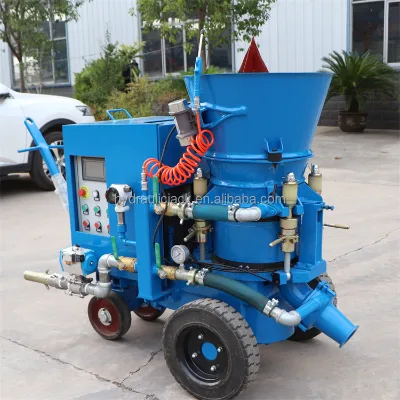
Comprehensive Sourcing Guide
Strategic Sourcing Guide for Refractory Gunning Machines
The procurement of refractory gunning machines represents a critical decision point for industrial facilities maintaining high-temperature infrastructure. These machines are essential for the rapid application of refractory castables, gunning mixes, and monolithic linings in steel mills, cement plants, and power generation facilities. The complexity of the equipment, ranging from semi-automatic to fully automatic systems, requires a rigorous evaluation framework. Buyers must navigate a landscape defined by diverse technical specifications, varying operational capacities, and strict compliance requirements. This guide provides a structured approach to sourcing these machines, focusing on verified attributes, technical due diligence, and long-term operational reliability without relying on unverified market claims.
Technical Specifications and Operational Capabilities
Understanding the technical parameters of a refractory gunning machine is the first step in ensuring equipment compatibility with specific plant requirements. The core functionality revolves around the ability to convey abrasive refractory materials over significant distances while maintaining a consistent spray rate. Observed data indicates that machines vary significantly in weight, with units ranging from 1,300kg to 7,200kg, suggesting a wide spectrum of portability and stability. For instance, a unit with a weight of 6,400kg likely represents a heavy-duty stationary or semi-stationary system, whereas a 1,300kg model may be designed for more agile, mobile applications.
The conveying mechanism is a pivotal specification. Buyers should verify the maximum horizontal and vertical conveying distances, as these determine the reach of the machine within a furnace or kiln. Available data points to a maximum horizontal conveying distance of 100 meters and vertical distances up to 20 meters. The operating air pressure is another critical variable; systems may operate at lower pressures around 0.2-0.4 MPa for specific applications, while others require working air pressures of 0.6 MPa or higher to handle denser materials. The compressed air pressure requirements can reach up to 12 kg/cm² in certain configurations, necessitating a robust plant air supply system.
The discharge capacity, often measured in kilograms per minute, dictates the speed of lining repair or installation. Observed ranges include 40-120 kg/min and 60-100 kg/min, indicating that machine selection must align with the urgency of the maintenance window. The spray patching method is typically the semi-dry method, which balances material adhesion with dust control. Furthermore, the adaptable particle size is a crucial constraint; machines are often rated for aggregate sizes up to 5mm or 10mm. Selecting a machine with a conveying hose inner diameter of 32mm or 38mm ensures that the material flow is not restricted by the hose geometry, preventing blockages during high-volume operations.
Compliance, Certification, and Safety Standards
In the industrial procurement of heavy machinery, compliance with international safety and quality standards is non-negotiable. The supply market for refractory gunning machines frequently lists certifications such as CE, ISO, and SGS. These certifications indicate that the manufacturer has undergone rigorous testing for electrical safety, mechanical integrity, and quality management systems. When evaluating a potential supplier, buyers must explicitly request current certification documents rather than relying on general marketing claims. The presence of CE marking is particularly important for operations within Europe, ensuring the machine meets the Essential Health and Safety Requirements of the European Union.
ISO certification, specifically ISO 9001 for quality management, suggests a standardized approach to manufacturing and service delivery. However, buyers should verify the scope of the certification to ensure it covers the specific type of machinery being purchased. The SGS certification adds a layer of third-party verification, often related to product testing and inspection. It is essential to treat these certifications as observations of the supplier's current status rather than guarantees of every unit's performance. Buyers must confirm that the specific model being ordered, such as the SM08 or SMC20, is covered under the active certification scope.
Electrical safety is another critical compliance area. The voltage specifications observed in the market, such as 3 Phase, 380V, 50Hz, are standard for industrial equipment but require careful verification against the local power grid. The motor power ratings, ranging from 4kW to higher capacities, must be matched with the facility's electrical infrastructure. Failure to verify these electrical parameters can lead to installation delays or equipment damage. Additionally, the pressure control systems, which are often adjustable, must comply with local pressure vessel regulations to ensure safe operation under the required working air pressures.
Cost Drivers and Pricing Variables
The pricing of refractory gunning machines is influenced by a complex array of factors, making it difficult to predict costs without detailed specifications. The observed price range spans from $0.8 to $130,000, a disparity that reflects the vast difference between small, portable units and large, fully automated systems. The primary cost drivers include the degree of automation, the capacity of the measuring tank, and the complexity of the conveying system. Units with a tank volume of 1.5 to 2 cubic meters or a capacity of 0.8 cubic meters will generally command a higher price due to the increased material handling capability.
The weight of the machine is another significant cost indicator. Heavier units, such as those weighing 7,200kg, likely incorporate more robust frames, larger motors, and advanced control systems, all of which contribute to a higher price point. Conversely, lighter models around 1,000kg or 1,300kg may be more affordable but might lack the durability or capacity required for heavy industrial applications. The customization options available also play a role in pricing. Buyers seeking custom configurations, such as specific hose lengths, specialized spray guns, or unique control interfaces, should expect a premium over standard models.
The Minimum Order Quantity (MOQ) is another financial consideration. The observed MOQ range of 1 to 500 units suggests that suppliers cater to both single-unit buyers and large-scale distributors. For a buyer purchasing a single unit, the MOQ is less of a constraint, but the unit price may be higher due to the lack of economies of scale. Conversely, buyers planning to procure multiple units may negotiate better pricing by meeting higher MOQ thresholds. It is crucial to understand that the listed price range includes various configurations, and the final cost will depend on the specific combination of features, certifications, and customization required.
Typical Applications and Material Compatibility
Refractory gunning machines are versatile tools designed for a wide range of industrial applications. The primary use case involves the repair and installation of refractory linings in high-temperature environments. These machines are particularly effective in the steel industry for repairing ladles, tundishes, and converters. The semi-dry spraying method is well-suited for these applications, providing a dense, uniform layer of refractory material that adheres well to the substrate. The spray repair rate of 60-100 kg/min allows for rapid restoration of damaged linings, minimizing downtime and production losses.
Beyond the steel industry, these machines are utilized in the cement and power generation sectors. In cement plants, they are used for lining rotary kilns and preheaters, where the ability to convey material over long distances is essential. The maximum horizontal conveying distance of 100 meters enables the machine to reach difficult-to-access areas within large kilns. In the power industry, gunning machines are employed for lining boilers and waste heat recovery systems. The adaptable particle size of up to 10mm allows the machine to handle a variety of refractory mixes, from fine powders to coarse aggregates.
The application scope extends to hardware, wood, plastic, and porcelain spraying equipment, indicating a broader utility for surface treatment and coating applications. However, in the context of refractory gunning, the focus remains on high-temperature resistance and mechanical strength. The electrostatic spraying equipment variant, with its adjustable pressure control, offers enhanced coverage and material efficiency for specific coating requirements. Buyers should assess their specific material requirements, such as the type of refractory mix and the required thickness, to ensure the selected machine can deliver the necessary performance.
Supplier Evaluation and Quality Assurance
Evaluating suppliers of refractory gunning machines requires a multi-faceted approach that goes beyond price comparison. The first step is to verify the supplier's production capabilities and history. The origin of the product, often listed as China, indicates a significant manufacturing hub for this equipment, but it does not guarantee quality. Buyers should request detailed information about the manufacturing facility, including the production capacity and quality control processes. The condition of the product, typically listed as "New," should be confirmed through factory inspections or third-party audits.
Quality assurance is paramount in the selection of refractory gunning machines. Buyers should demand comprehensive test results and performance data for the specific model being considered. The rotor speed, ranging from 0 to 13.2 r/Min, and the motor power are critical parameters that affect the consistency of the spray. Suppliers should provide data on the air consumption, which is observed to be between 5 and 6 cubic meters per minute, to ensure the machine operates efficiently within the plant's air supply constraints. The packing method, often listed as "Protecting Boxes," should be evaluated to ensure the machine arrives in pristine condition, free from damage during transit.
Supplier reliability is also determined by their ability to provide after-sales support and spare parts. The availability of customization options suggests that the supplier is flexible and capable of tailoring the machine to specific needs. However, buyers must ensure that the customization process does not compromise the machine's integrity or safety. The presence of certifications like CE, ISO, and SGS is a positive indicator, but buyers should verify the validity and scope of these certifications. A reputable supplier will be transparent about their quality control measures and willing to provide references from previous clients.
Long-Term Procurement and Operational Considerations
The long-term success of a refractory gunning machine procurement depends on factors beyond the initial purchase. Maintenance and operational costs are significant considerations that must be factored into the total cost of ownership. The motor power, voltage, and air consumption requirements will impact the ongoing energy and utility costs. Buyers should calculate the expected operating costs based on the machine's specifications and the frequency of use. The weight and dimensions of the machine, such as the standard size of 850021502850mm or 170013002150mm, will influence the space requirements and logistics for installation and maintenance.
The adaptability of the machine to different materials and applications is another long-term consideration. As industrial processes evolve, the ability to switch between different refractory mixes or adjust the spray parameters becomes increasingly valuable. The adjustable pressure control and the range of adaptable particle sizes provide this flexibility. Buyers should also consider the lead time for spare parts and the availability of technical support. A machine that is difficult to service or requires long lead times for parts can result in significant downtime and production losses.
Finally, the environmental and safety implications of the machine's operation should be assessed. The semi-dry method and the ability to control dust and material waste contribute to a safer and more environmentally friendly operation. Buyers should ensure that the machine complies with local environmental regulations and safety standards. The long-term procurement strategy should include a plan for regular maintenance, operator training, and performance monitoring to ensure the machine continues to operate at peak efficiency throughout its lifecycle. By focusing on these long-term factors, buyers can make informed decisions that maximize the value and reliability of their refractory gunning machine investment.
Comparative Analysis of Key Specifications
To facilitate a clearer understanding of the variations in the market, the following table summarizes key specifications observed across different models. This comparison highlights the diversity in capacity, weight, and operational parameters, aiding buyers in selecting the most appropriate equipment for their specific needs.
| Specification | Model A (Example) | Model B (Example) | Model C (Example) |
|---|---|---|---|
| Model Number | SM08 | SMC20 | SMR100 |
| Weight | 6400 kg | 500 kg | 1000 kg |
| Discharge Capacity | 80-120 kg/Min | 60-100 kg/Min | 40-120 kg/Min |
| Max Conveying Distance | 100m (Horizontal) | 100m (Horizontal) | 20m (Vertical), 100m (Horizontal) |
| Tank Volume | 0.8 m³ | 1.5 - 2 m³ | N/A |
| Working Air Pressure | 0.6 MPa | 0.2-0.4 MPa | ≥0.6 MPa |
| Motor Power | 4 kW | N/A | N/A |
| Voltage | 3 Phase, 380V, 50Hz | N/A | N/A |
| Certification | CE, ISO | ISO | CE, ISO, SGS |
| Condition | New | New | New |
This table illustrates that while some models share similar conveying distances, their weights and capacities vary significantly. A buyer prioritizing high throughput might select a model with a discharge capacity of 80-120 kg/min, while one requiring portability might opt for a lighter unit around 500kg. The variation in air pressure requirements also underscores the need for careful matching with the plant's compressed air system. By analyzing these specifications against operational requirements, buyers can make a more informed and strategic procurement decision.
FAQs
What certifications do refractory gunning machines typically have?
These machines commonly carry CE, ISO, and SGS certifications. Buyers should verify that the specific model, such as SM08 or SMC20, is covered under active certification scopes to ensure compliance with safety and quality standards.
How far can these machines convey refractory materials horizontally?
The maximum horizontal conveying distance is typically 100 meters. This capability allows the equipment to reach difficult areas within large industrial furnaces or kilns without requiring material transfer stations.
Which spray patching method is standard for this equipment?
The semi-dry method is the standard spraying technique used. This approach balances material adhesion with dust control, making it suitable for rapid repair and installation of refractory linings in steel mills.
Can the machine handle aggregates up to 10mm in size?
Yes, certain models support an adaptable particle size of up to 10mm. This allows the machine to handle various refractory mixes, from fine powders to coarse aggregates, without clogging the conveying hose.
What is the typical discharge capacity range for these units?
Discharge capacities generally range from 40 to 120 kilograms per minute. This variation allows buyers to select a unit that matches the urgency of their maintenance windows and required lining thickness.
How does the weight of the machine affect its application?
Weights vary from 1,300kg to 7,200kg, indicating different portability levels. Heavier units like the 7,200kg model are designed for heavy-duty stationary use, while lighter models suit agile mobile applications.
What voltage and power source do these machines require?
They typically operate on a 3-phase, 380V, 50Hz electric power source. Buyers must verify these electrical parameters against their local grid to ensure safe installation and operation of the motor.
Are customization options available for these refractory machines?
Customization is available for specific configurations like hose lengths or spray guns. Buyers seeking unique control interfaces or specialized features should expect a premium over standard models to accommodate these requests.